
Shifting systems to save lives
By placing patients and their families at the center of the healthcare journey, we believe that they can radically transform patient outcomes. We collaborate with health systems and governments in implementing our program to provide high-impact health skills training, positioning family members as the cornerstone of recovery in facilities and at home.
Our model
-
Identify priority family care practices
-

Develop engaging materials
-
Get the training delivered effectively
-

Connect with families to support them at home
-

Identify priority family care practices
In partnership with local health systems, we seek out health conditions that are 1) key drivers of morbidity and mortality and 2) preventable through actions loved ones can take at home (such as medication management or warning sign identification).
-
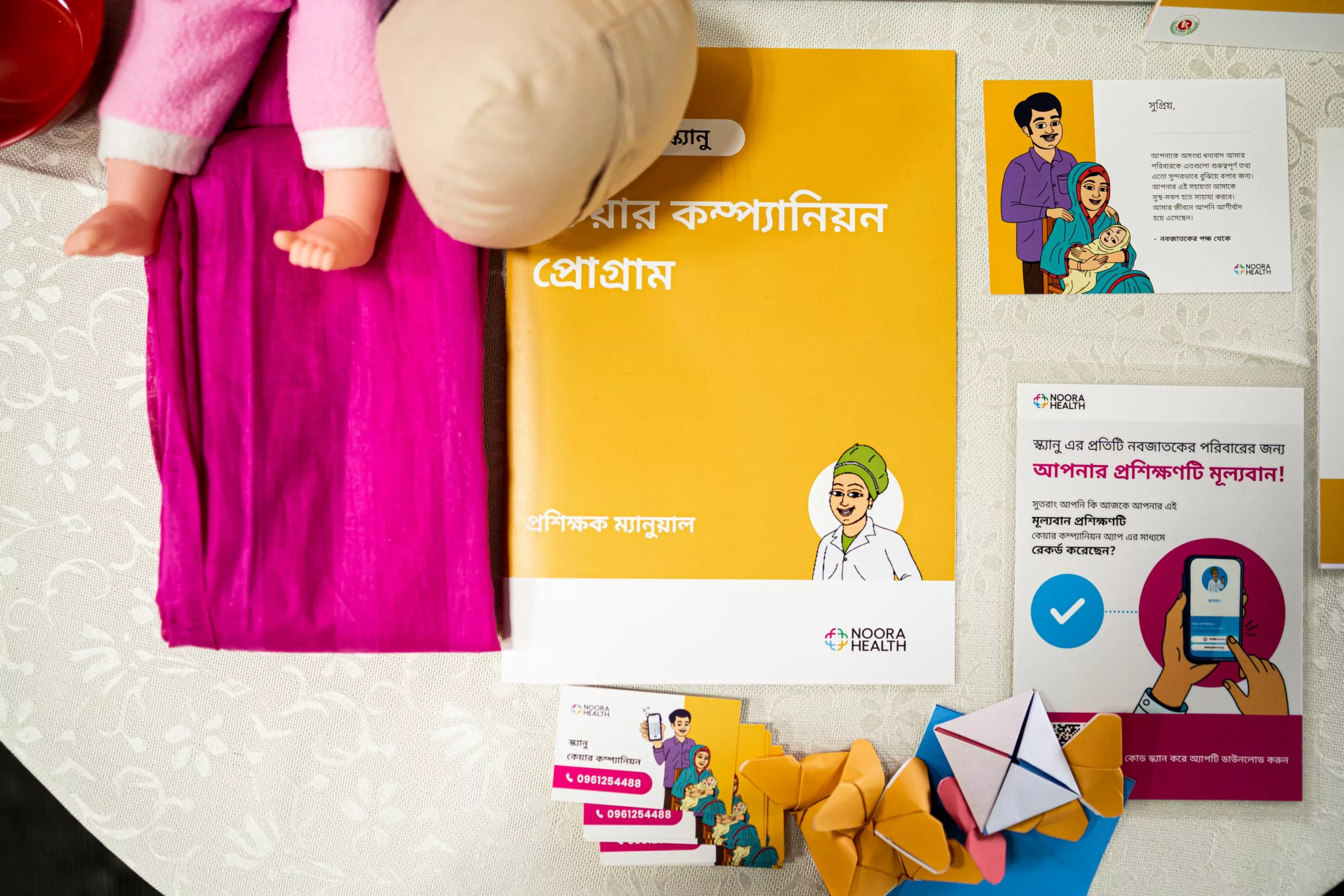

Develop engaging materials
We develop high-quality, culturally- and regionally-contextualized, and medically-accurate multimedia materials to support the implementation of our programs. Our reach extends beyond facilities with takeaway materials and open-access digital resources.
-
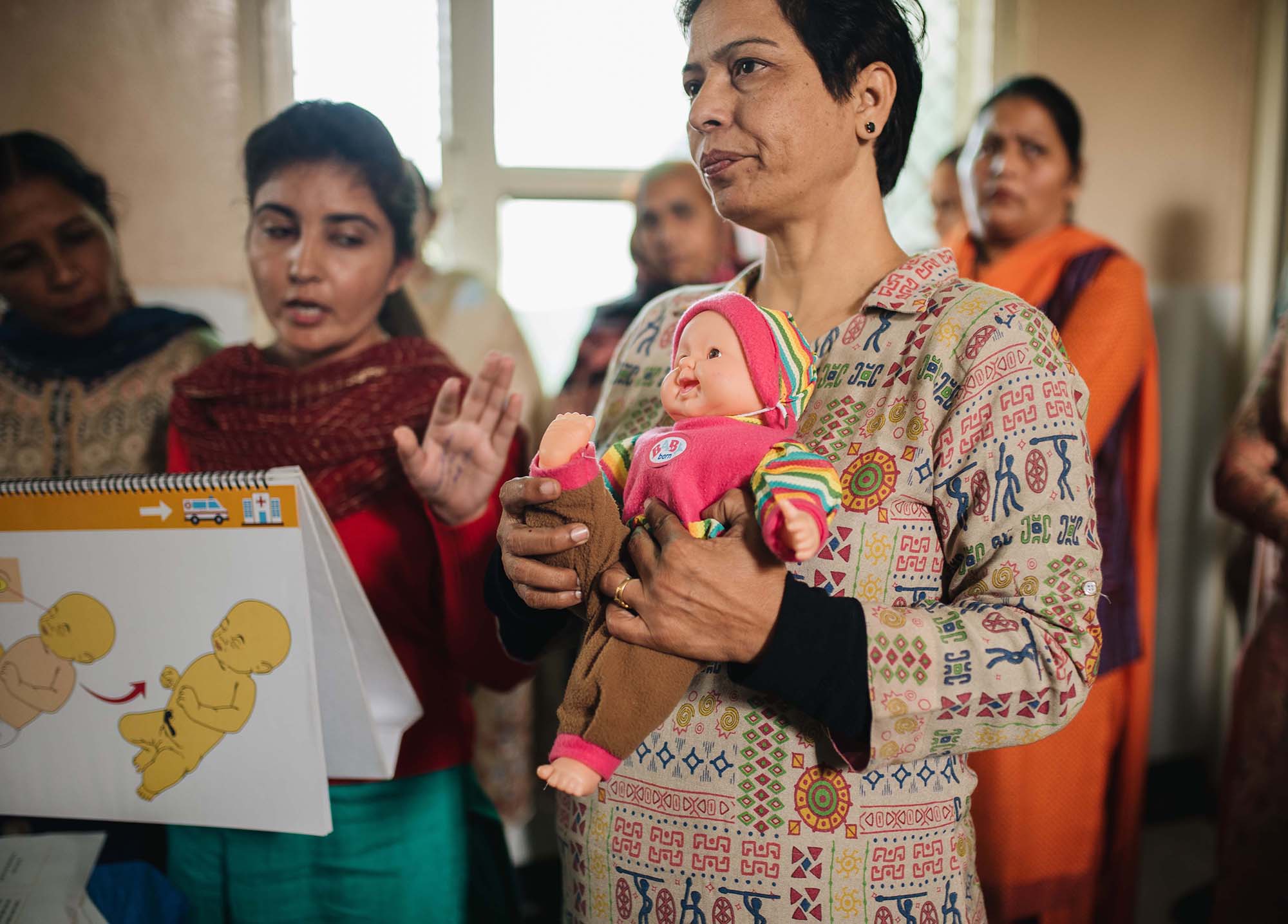

Get the training delivered effectively
We co-develop and partner closely with health systems, which helps us integrate our programs into hospitals and clinics. We also train healthcare workers to lead caregiver training sessions, who in turn coach and support their colleagues to become trainers as well.
-
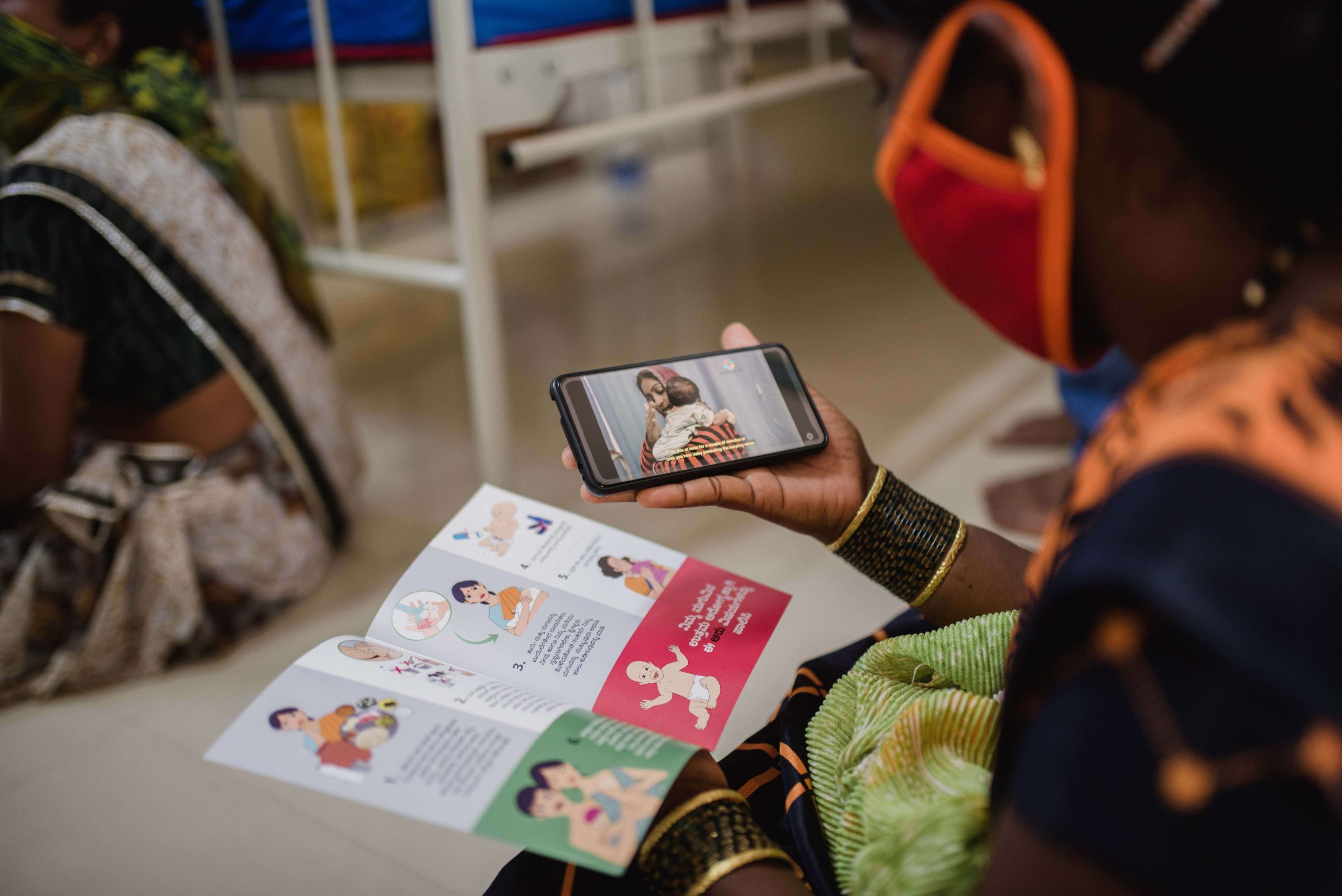

Connect with families to support them at home
Through our remote engagement service, we’re there for families when they need us the most, sending additional training and information to caregivers to reinforce healthy practices after they’ve left the hospital. Families can directly contact us with questions, creating a reliable on-demand support network.
Program areas
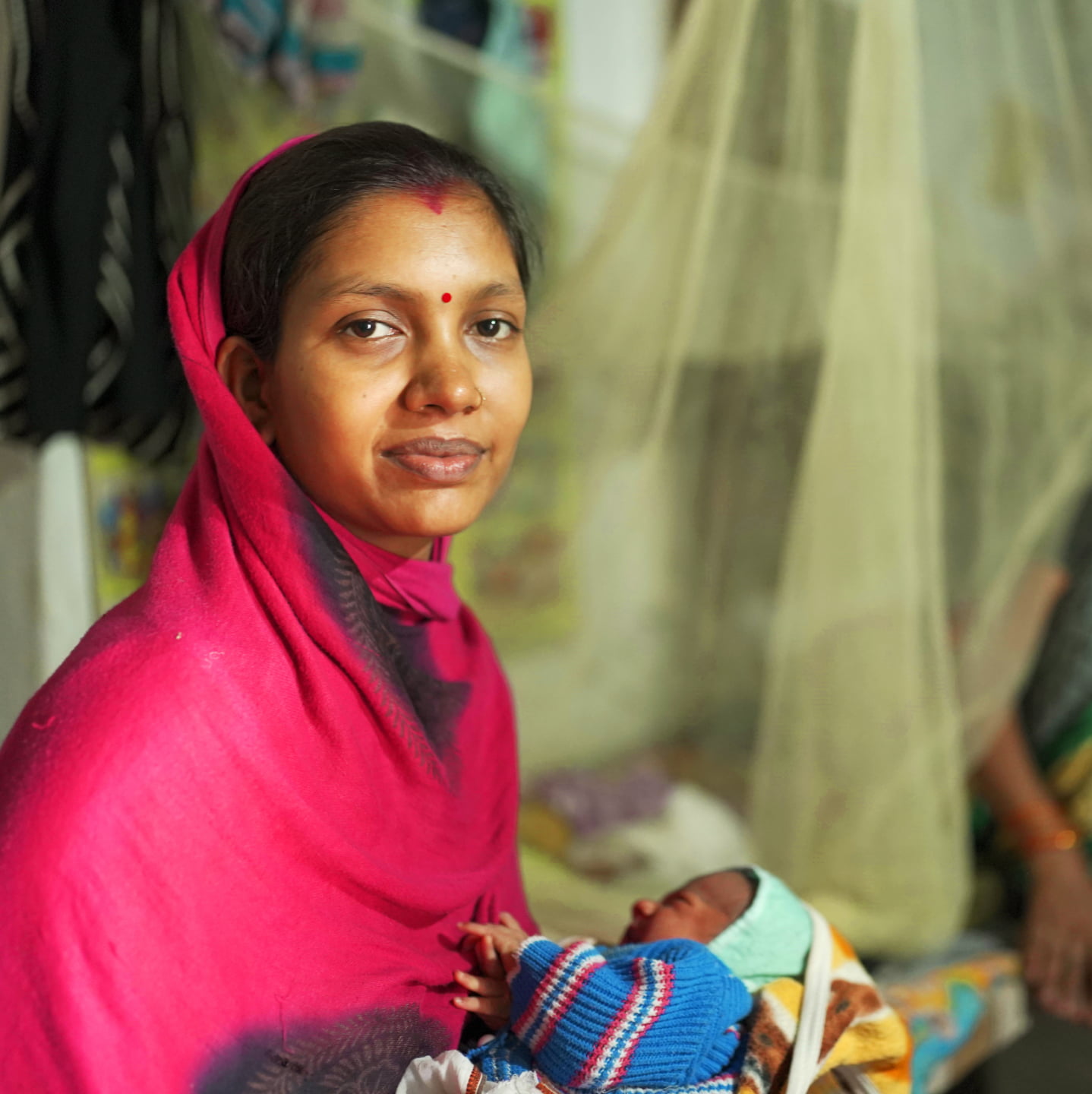
Maternal and newborn care
New mothers experience profound changes during pregnancy, birth, and recovery, and the first days for a newborn are the foundation for the rest of their lives.
Our expansive maternal and neonatal training curriculum uses behavior change education to help new parents and their loved ones navigate this journey by providing them with critical information on preventive health practices and what to expect.
With our health system partners committed to reducing neonatal and maternal mortality, this program is one of our biggest and most important areas of work. It is currently being implemented in more than 10,000+ facilities across India, Bangladesh, and Indonesia.
Focus areas: Antenatal care | Postnatal care | Newborn care
Key skills: Skin-to-skin care or kangaroo care, healthy diet for mothers, breastfeeding techniques, cord care, and identification of warning signs and care-seeking in both mother and child
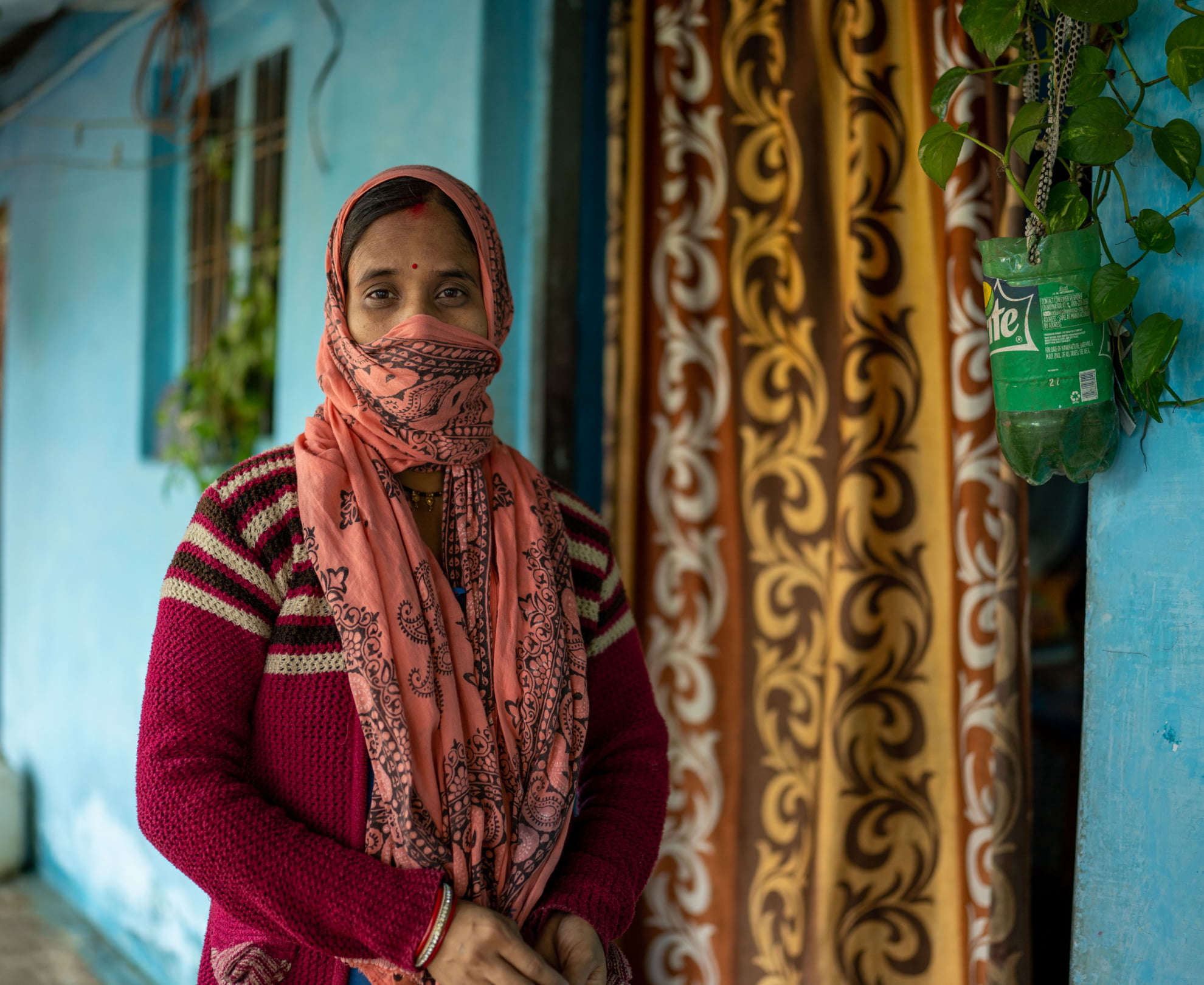
Non-communicable diseases, general medical care, and surgical care
Hospitals have been increasingly interested in developing a program that effectively teaches basic health and hospital behaviors to all patients and caregivers, irrespective of their health concerns.
Our curriculum addresses some of the common health practices for which training can feasibly result in positive health impacts for patients, such as diet, physical activity, early screening, and treatment adherence.
The program is presently implemented in collaboration with the state governments of Punjab and Maharashtra, in India. A Bangladesh-specific program is also being prototyped and is set to launch in 2024.
Focus areas: General health and well-being | General surgery | Diabetes | Hypertension
Key skills: Monitoring vital signs, recognizing illness symptoms, ensuring good nutrition, maintaining an active lifestyle, treatment adherence, chronic disease management
Cardiac care
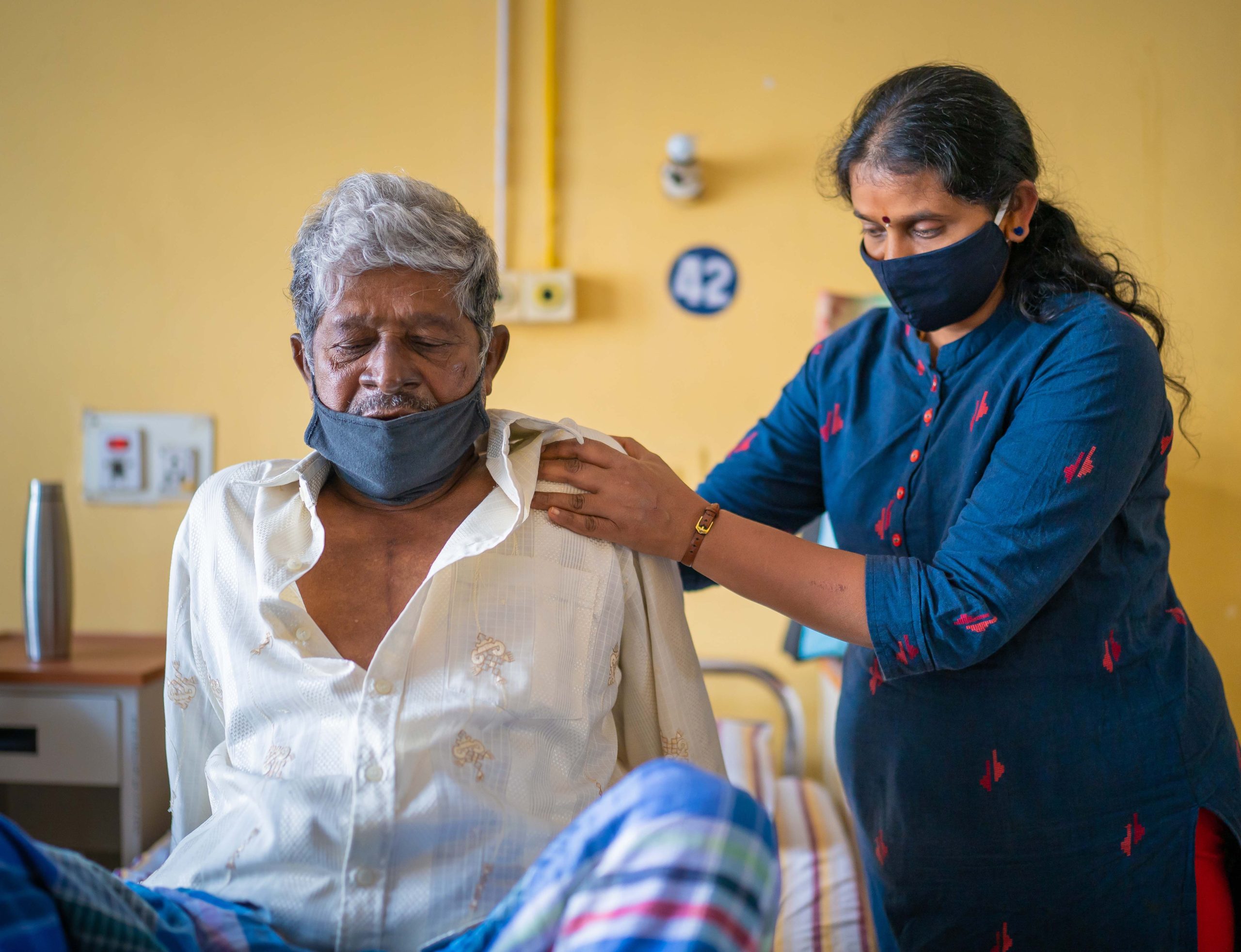
Cardiovascular disease is the leading cause of death worldwide — and represents a rapidly increasing disease burden in South Asia. With healthcare utilization for cardiac care escalating, the lack of infrastructure for effective chronic disease management remains a concern.
Our comprehensive curriculum teaches patients and their caregivers the importance of preventative healthcare and equips them with pre- and post-surgery skills and other training to manage cardiovascular disease in the long- and short-term.
The program is presently implemented by our local partners at the Sri Jayadeva Institute of Cardiovascular Sciences and Research (Bangalore, Mysore, and Gulbarga) and Sri Satya Sai Hospital in Bangalore, India.
Focus areas: Adult and pediatric cardiology | Adult and pediatric cardiac surgery
Key skills: Fundamentals of heart disease, monitoring vital signs, recognizing symptoms, post-surgery physical therapy exercises, medication and treatment adherence, wound care, among other topics
Oncology care
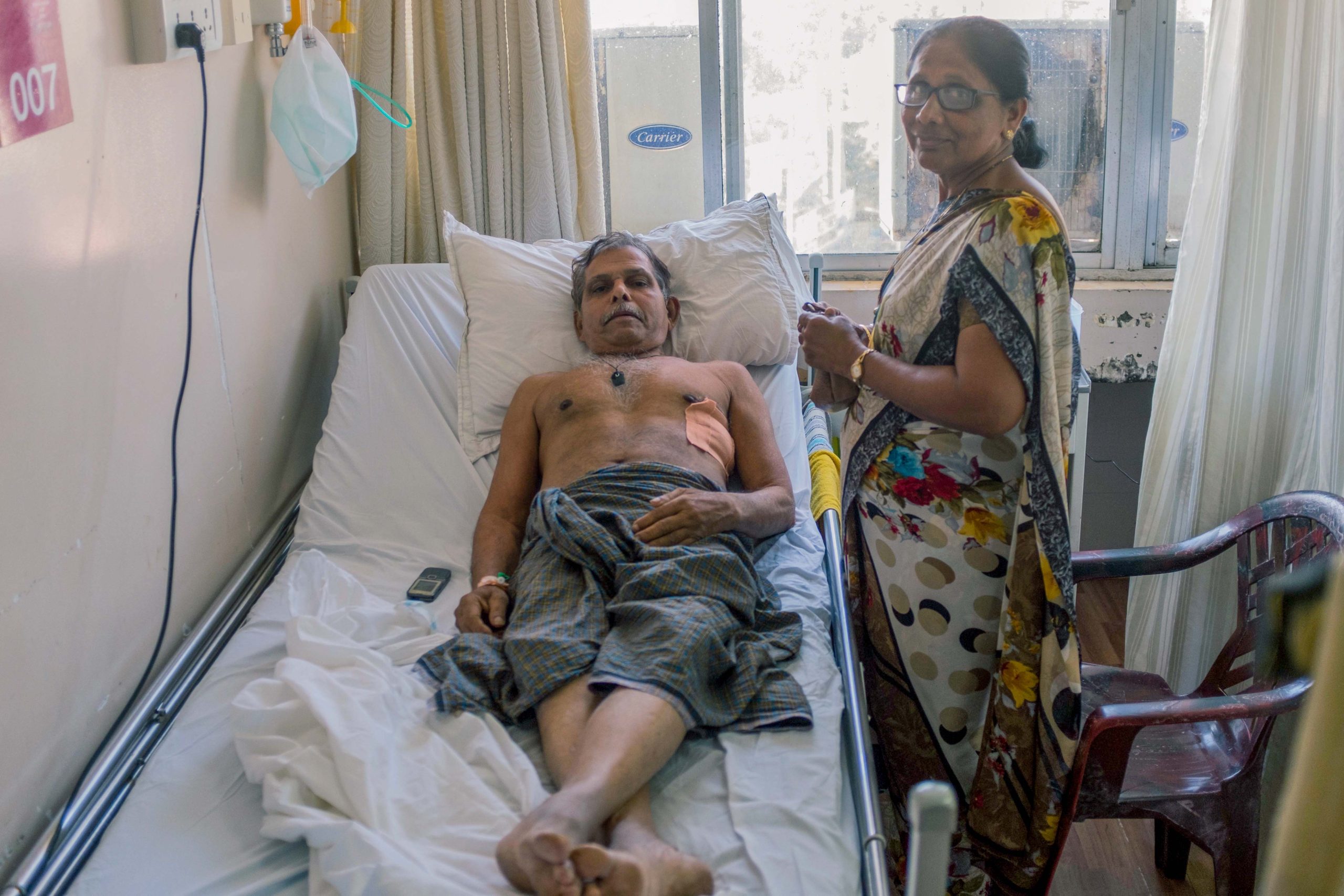
Cancer is a major global health problem that is projected to increase due to expanding and aging populations. The lack of effective primary healthcare and prohibitive costs means prevention is still a distant dream for many.
Our curriculum addresses not only the fundamentals of cancer and its management, but also the fear, misconceptions, and myths surrounding the disease.
The first phase of the program ran from 2017–2023. It is currently being redesigned and will be implemented in partnership with cancer hospitals in India in 2024.
Key skills: Treatment decision making, addressing side effects, recognizing and responding to symptoms, and implementing disease prevention measures such as tobacco cessation, nutrition, and cancer screening
Tuberculosis care
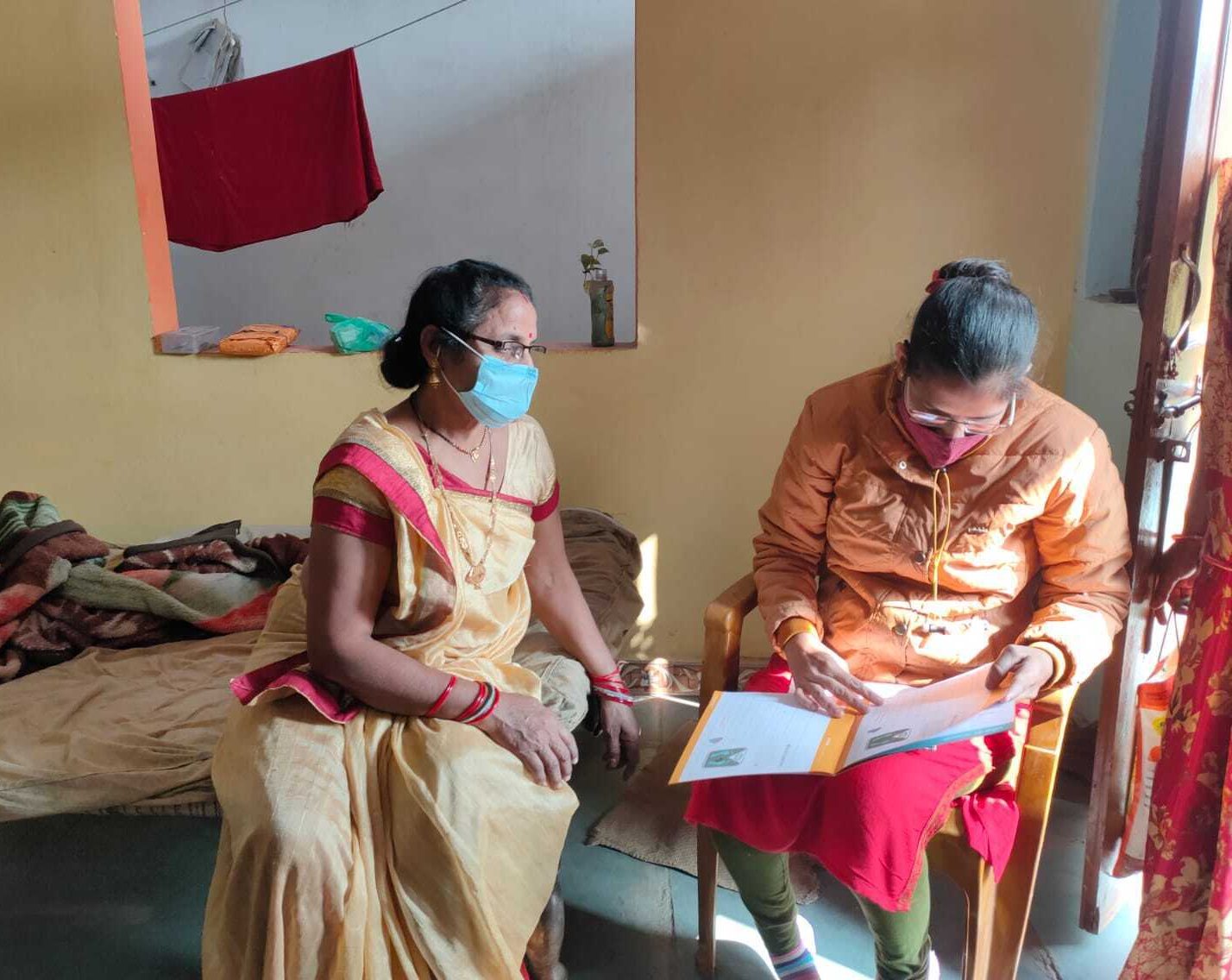
Tuberculosis (TB) is one of the leading infectious-disease killers globally, with India accounting for 27% of the global cases. Our curriculum addresses treatment access and adherence, as well as key myths, stigmas, and misunderstandings about the disease.
Known as the TB family care model, the program is a holistic, caregiver-centered intervention, designed for implementation at the primary healthcare level. In March 2023, India’s Prime Minister, Narendra Modi, announced it as one of the five key initiatives to end TB in India by 2025.
As the work scales across the country, we contributed to the national guidelines for the model, continue to be a key technical partner of the Central TB Division at the Ministry of Health, and are assisting individual states, such as Goa and Karnataka, with ongoing training and implementation of the program.
Key skills: Treatment decision making and care seeking, regular screening, treatment adherence, recognizing and preventing complications, and nutrition
COVID-19 care
India and Bangladesh were hit hard by the pandemic, reporting over 46 million COVID-19 cases and over 509,000 total deaths. At its peak in 2020-2021, health facilities and healthcare workers were overwhelmed, grappling with acute shortages of oxygen and basic healthcare supplies.
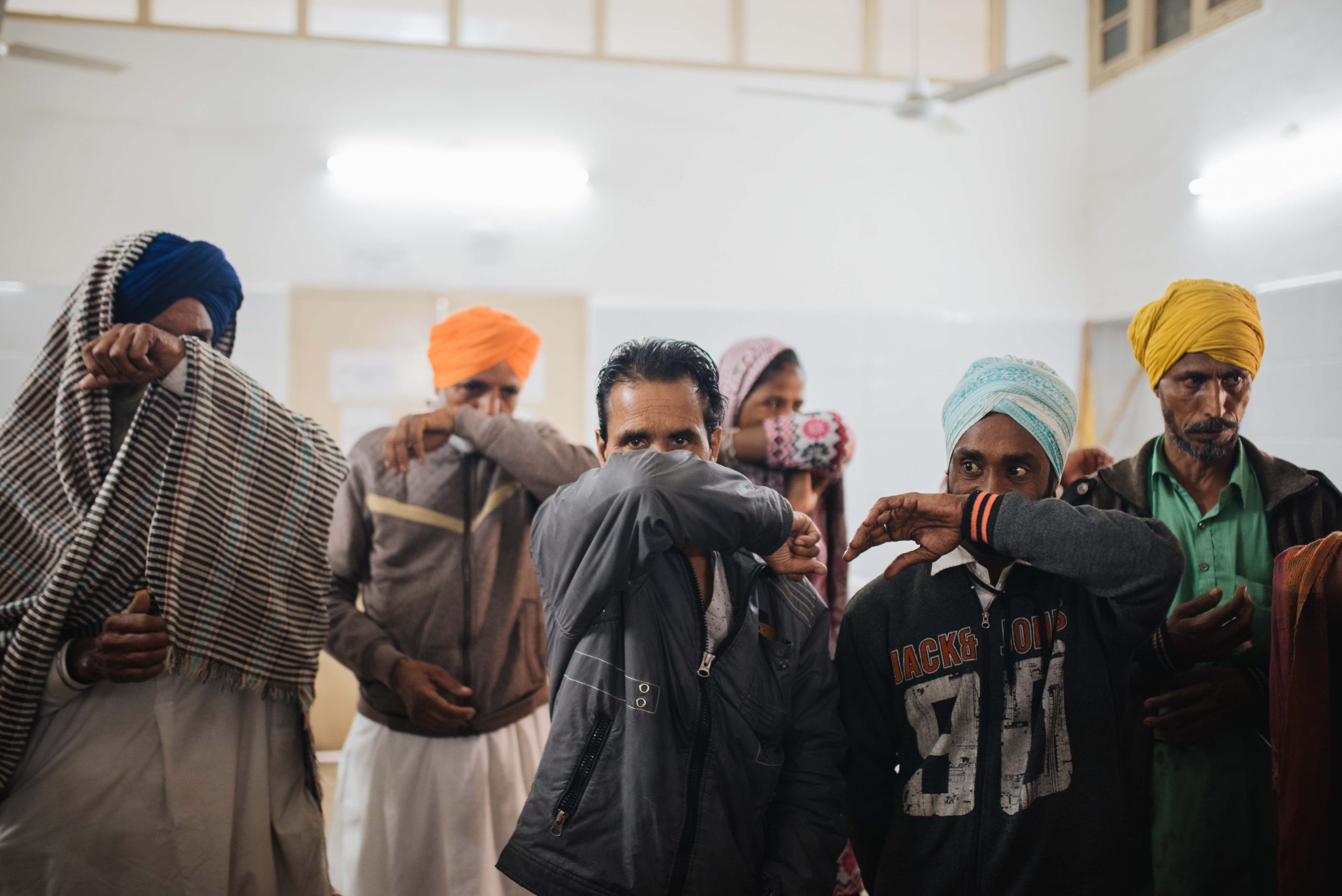
Our curriculum, designed to be delivered directly to patients and families remotely, addressed safety practices for home isolation and how to monitor and manage symptoms.
Over a four year period, we trained more than 163,646 caregivers, in coordination with government partners in Bangladesh and in the Indian states of Madhya Pradesh, Punjab, and Maharashtra.
Key skills: Proper home isolation practices, proning, oximeter usage, symptom management, and caregiver safety